
Chapter Nine: A civilian-driven model for surveillance oversight in Zimbabwe
Synopsis
In this chapter, I interrogate the efficacy of a civilian-driven surveillance oversight model that can potentially counter surveillance practice excesses that manifest in, among other practices, unregulated and unwarranted surveillance. I use the Zimbabwean case as a case in point for the deployment of such a model. Drawing data from critical (intelligence) surveillance incidents that happened in post-coup Zimbabwe, and on limited interviews with civic society actors, legislators and activists, this chapter seeks to answer two questions. Firstly, I answer the question: how did intelligence agencies, especially the Central Intelligence Organisation (CIO), become a political appendage of the ruling Zimbabwe African National Union Patriotic Front (ZANU PF) regime? And, lastly, what pathways exist to bolster collective civilian inclusion in surveillance regulation? In other words, I want to explore how an alternative (to existing surveillance regulation practices), civilian-driven model of digital surveillance can be achieved.
The argument I make is that surveillance in semi-authoritarian regimes is becoming opaque than ever. There is a need to ‘activate’ civilians to be part of any future oversight practices if fundamental rights like the right to privacy are to be respected in contexts with no culture of such respect. The growing power and capabilities of intelligence institutions, their militarisation, and politicisation, in these contexts, mean that more than ever, there is a need to mobilise civilians to exercise robust oversight on intelligence agencies.
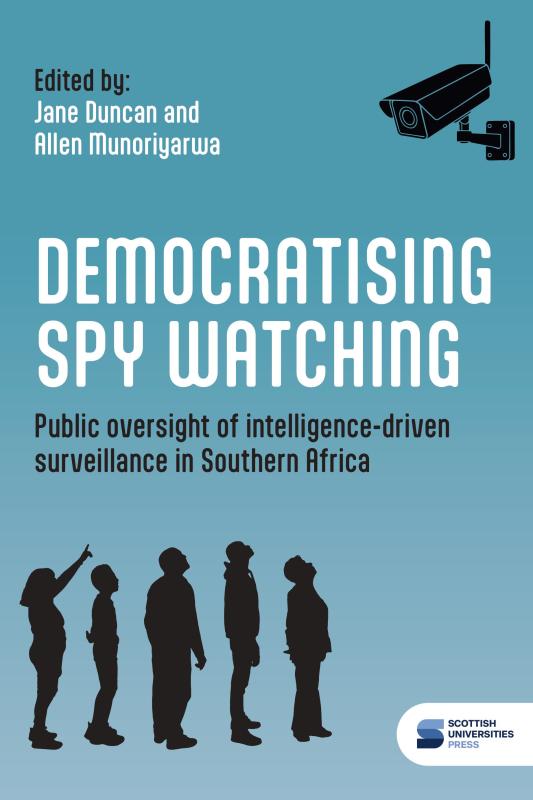
Forthcoming
Versions
- 11-02-2026 (2)
- 15-01-2026 (1)
License

This work is licensed under a Creative Commons Attribution-NonCommercial 4.0 International License.